


Frequently asked questions

Kitchen cabinets define how a kitchen functions, how storage is organized, and how smoothly daily routines flow. The right selection helps control kitchen remodel cost while improving layout, durability, and long-term usability.
Table of Contents
What Are Kitchen Cabinets and Why They Matter
Types of Kitchen Cabinets
Kitchen Cabinet Materials
Kitchen Cabinet Styles and Designs
How to Choose the Right Kitchen Cabinets
Kitchen Cabinet Pricing and Cost Overview
Practical Planning Tips Before You Buy
Get a Free Kitchen Cabinet Consultation Today
What Are Kitchen Cabinets and Why They Matter
Kitchen cabinets form the structural base of any kitchen environment. They influence how people move, where items are placed, and how comfortable the space feels during everyday use.
When planned with intention, cabinetry supports:
-
quick access to frequently used items
-
clear separation between storage zones
-
visual consistency across the space
-
better control over renovation costs
If these elements are ignored, the result is often inefficient storage and avoidable expenses later. For this reason, cabinetry decisions should be made early in any kitchen renovation rather than left until the final stage.
Types of Kitchen Cabinets
Different formats exist to match different expectations around budget, timing, and flexibility.
Stock Solutions
Stock units are produced in standard dimensions and kept in warehouse stock, which allows immediate availability.
They are typically chosen when:
-
timelines are limited
-
prices must remain predictable
-
layouts are straightforward
Semi-Custom Options
Semi-custom cabinets allow adjustments in size, finish, and internal configuration without requiring a full custom process.
They are suitable when:
-
slight layout corrections are needed
-
pricing should remain balanced
-
storage needs are more specific
Custom Cabinetry
Custom cabinetry is designed and built to exact specifications.
It is usually selected when:
-
layouts are unique
-
design precision matters
-
higher-end kitchens are planned
Comparison Overview
Type Flexibility Lead Time Price Level Fit Accuracy
Stock Limited Fast Lower Standard
Semi-Custom Moderate Medium Mid-range Precise
Custom High Longer Higher Exact
Kitchen Cabinet Materials
Material selection plays a central role in durability, maintenance effort, and overall price.
Commonly used materials include:
-
solid wood — strong and long-lasting, with a higher price
-
plywood — reliable structure with good resistance to moisture
-
MDF — smooth and stable, often used for painted finishes
-
particleboard — lower price, with reduced durability
-
Soft-close hinges - promote a quieter closing operation by slowing the door as it closes.
The difference between these materials becomes more noticeable over time. For example, plywood tends to handle humidity changes better, while MDF provides a consistent surface for finishes. These distinctions affect both pricing and long-term performance.
Kitchen Cabinet Styles and Designs
Style influences how the space feels visually without necessarily changing the cost in a significant way.
Popular options include:
-
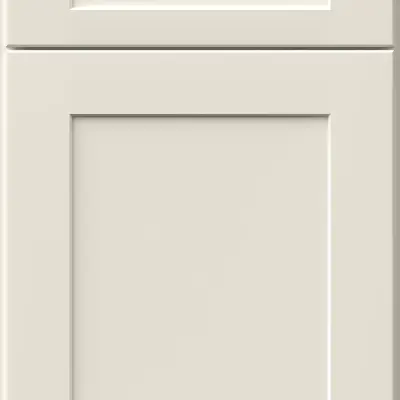
shaker style — simple lines that work in many interiors
-
flat-panel — minimal and contemporary
-
raised-panel — more traditional and decorative
Design details also play an important role:
-
alignment between cabinet and doors
-
proportion between upper and lower sections
-
hardware choices such as handles
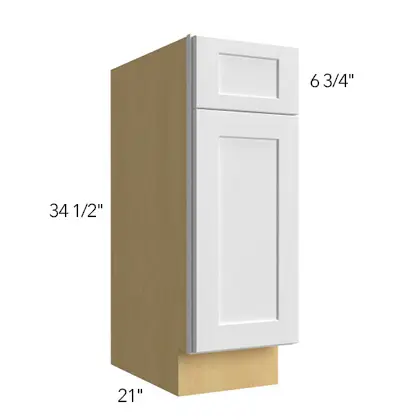
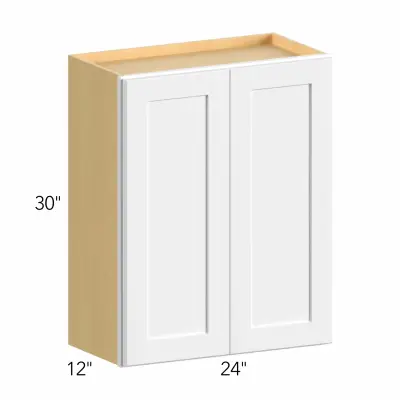
Even a minor update, such as replacing a kitchen cabinet with door, can noticeably change the overall appearance.
How to Choose the Right Kitchen Cabinets
Selecting the right cabinets requires focusing on everyday function rather than short-term trends.
Key considerations include:
Layout
Movement between preparation, cooking, and cleaning areas should feel natural and uninterrupted.
Storage
Drawers, vertical solutions, and organized sections improve accessibility.
Budget
The chosen design should match realistic price expectations without unnecessary upgrades.
Durability
Materials and finishes must handle daily use without frequent maintenance.
Quick checklist:
-
Does the layout improve usability?
-
Are the prices aligned with the budget?
-
Will the materials last over time?
-
Can the configuration adapt to future needs?
Kitchen Cabinet Pricing and Cost Overview
Understanding cabinet prices early helps avoid unexpected expenses later.
Factors that influence pricing include:
-
material selection
-
construction method
-
layout complexity
-
hardware quality
-
installation scope
Typical pricing ranges:
Category Price Range Notes
Stock Lower Standard sizes, quick supply
Semi-Custom Medium Flexible adjustments
Custom Higher Fully tailored
Important observations:
-
structural changes tend to increase cost significantly
-
ready to assemble kitchen cabinets reduce labor-related pricing
-
pre-assembled units require higher upfront price but simplify installation
Ready-to-Assemble Kitchen Cabinets Explained
Ready-to-assemble kitchen cabinets are delivered in parts and built on site.
Advantages:
-
lower prices compared to assembled alternatives
-
easier transportation
-
steady availability from stock
Considerations:
-
assembly is required
-
tools and time are needed
-
best suited for simpler layouts
A ready to assemble kitchen cabinet solution is often selected when balancing speed and budget is important.
Kitchen Remodeling Costs: What to Expect
Kitchen renovation costs depend on the scale of the project and the level of customization.
Typical distribution:
-
cabinetry and structure — largest share
-
labor and installation — moderate portion
-
finishes and details — variable
-
appliances — additional
Ways to manage costs:
-
keep plumbing and electrical systems in place
-
use stock or semi-custom solutions where possible
-
avoid unnecessary custom elements
Storage Planning That Works in Practice
Effective storage is based on how the space is used daily rather than how it looks initially.
Practical solutions include:
-
drawers that provide easier access
-
pull-out systems for deeper sections
-
vertical storage for trays and tall items
Good planning improves usability without significantly increasing price.
Stock Availability and Project Timing
Availability affects how quickly a project can move forward.
-
stock units can be installed immediately
-
semi-custom options require moderate time
-
custom projects take longer to complete
Planning around stock helps reduce delays and unexpected costs.
Understanding Price vs Value
A lower upfront price can mean higher long-term costs through repairs, replacements, or reduced functionality.
It is important to consider:
-
durability over time
-
maintenance requirements
-
potential replacement costs
In many situations, slightly higher pricing results in fewer expenses later.
Kitchen Cabinets and Doors: Functional Details
The relationship between cabinet structure and doors influences durability and usability.
Important aspects include:
-
hinge quality
-
alignment accuracy
-
finish consistency
These details often determine long-term performance more than visible design choices.
Kitchen Improvement Through a Structured Remodel
A well-planned remodel is the most reliable way to improve functionality and avoid recurring issues over time. Rather than making isolated updates, a complete approach ensures that layout, storage, and materials work together.
A remodel typically includes:
-
replacing cabinet and doors with a cohesive system
-
updating handles and hardware as part of the overall design
-
reorganizing storage to improve accessibility and flow
This approach provides better long-term results, with improved usability and more predictable costs compared to partial changes.
Kitchen Remodel Cost: Where Budget Goes
Kitchen remodel cost is largely shaped by cabinetry decisions.
Main factors include:
-
layout adjustments
-
level of customization
-
material selection
Planning these elements early helps reduce unnecessary spending.
Working With Contractors
Contractors influence installation quality and project timing.
Key points to review:
-
experience with cabinetry installation
-
clarity in pricing
-
realistic timelines
Proper coordination helps avoid delays and additional costs.
Kitchen Remodel Costs in Practice
Kitchen remodel costs are defined by how the project is planned and executed from the start. A structured remodel approach ensures that layout, materials, and installation are coordinated as a single system rather than treated as separate updates.
In a full remodel, pricing is typically influenced by:
-
the complexity of the layout and any structural adjustments
-
the selection of materials and finishes
-
the level of detail in cabinetry and storage solutions
Because all elements are handled within one remodel process, this reduces the risk of inconsistencies, delays, and additional costs later. A well-organized remodel leads to clearer pricing and a more predictable outcome.
Practical Planning Tips Before You Buy
Before making a final decision, it is useful to think beyond appearance and focus on how the space will function over time.
One frequent issue occurs in corner sections. While visually simple, they can become difficult to use if storage is not planned properly. Features such as rotating shelves or pull-out systems improve access without significantly affecting price.
Another factor is the interaction between different zones. Cooking, preparation, and cleaning areas should work together without creating obstacles. Even a well-built cabinet setup can feel inconvenient if movement between these zones is restricted.
Lighting also affects usability. Better visibility inside deeper sections makes everyday use easier. Small adjustments, such as lighter interior finishes or integrated lighting, can improve functionality without changing overall pricing.
Flexibility is equally important. Storage needs change, and adjustable systems allow updates without requiring full replacement later.
From a budget perspective, prioritizing structure and hardware is often more effective than focusing only on visible finishes. These elements have a greater impact on long-term durability.
Get a Free Kitchen Cabinet Consultation Today
Choosing cabinets is a structural decision that affects everyday use.
A consultation helps:
-
clarify prices
-
compare options
-
plan storage effectively
-
avoid unnecessary costs
A lower upfront price can mean higher long-term costs through repairs, replacements, or reduced functionality.
Final Thought
A well-functioning kitchen is built on practical decisions rather than visual trends. Cabinets define structure, storage, and daily comfort. When selected carefully, they support long-term usability without unnecessary cost increases.


