


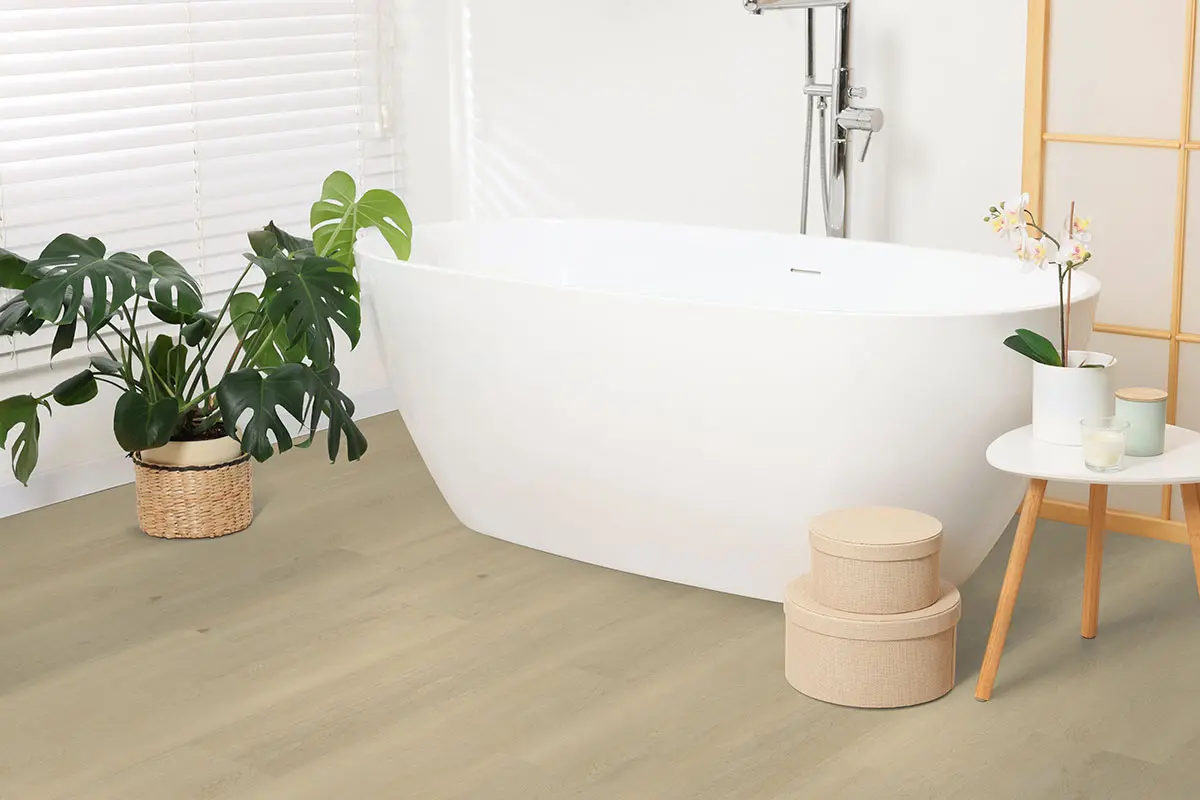
Affordable waterproof flooring works best in rooms where spills, wet shoes, pets, and frequent cleaning are part of daily life. The right choice should match the room, feel comfortable underfoot, and be planned around the base condition, transitions, and long-term use.
What Is Waterproof Flooring and Where Does It Work Best
This type of surface is made to handle everyday moisture better than a basic finish. It is commonly used in a kitchen, bathroom, laundry area, basement, mudroom, or family space where cleaning needs to be simple and quick.
The important point is that the product is only one part of the result. The room still needs a dry, even base, neat edges, and correct fitting. If those details are ignored, even a strong surface can look unfinished or wear poorly.
It usually works well when the space has:
-
regular foot traffic
-
occasional spills
-
pets or children
-
damp shoes near an entrance
-
frequent cleaning
-
open connection to other rooms
A good choice should protect the room without making the design feel heavy or overly practical. The surface still has to suit the cabinets, wall color, lighting, and general character of the home.
Best Waterproof Flooring Types for Kitchens, Baths and Living Areas
Best waterproof flooring is not always the same product for every space. A cooking area may need easy maintenance. A bath space may need stronger moisture planning. A living area may need something warmer in appearance and quieter underfoot.
Flooring that is waterproof can come in several practical formats:
|
Option |
Where it often works |
What to review |
|
Click products |
Busy family rooms and lower levels |
Core strength and wear layer |
|
Stone-look designs |
Bath spaces and laundry areas |
Texture and comfort |
|
Laminate |
Selected lower-moisture rooms |
Product rating and care rules |
|
Sheet-style surfaces |
Utility areas |
Measuring and seam placement |
The label on the box is useful, but it should not be the only reason for choosing a product. The better question is how the room is actually used. A house with pets, children, and outdoor traffic has different needs from a lightly used guest area.
It also helps to compare the new surface with the rooms beside it. A perfect sample can still feel wrong if the tone clashes with existing finishes or if the level change at the doorway is not planned.
Waterproof Vinyl Plank Flooring: Benefits, Style and Durability
Many homeowners ask: are vinyl planks waterproof. Most quality products are made to resist surface spills, but performance still depends on seams, wall edges, base preparation, and installation quality.
Best waterproof vinyl plank flooring is popular because it can give the look of wood without the same care routine. It can soften the feel of a busy room while keeping cleaning straightforward. It also offers enough design variety for both classic and modern interiors.
A vinyl flooring waterproof option may be useful when you want:
-
simple everyday cleaning
-
a durable finish for family traffic
-
a wood-look design without wood maintenance
-
a smoother visual flow between rooms
-
a product that works with many cabinet colors
Vinyl plank flooring waterproof products can come in warm oak tones, pale neutral shades, rustic textures, or cleaner contemporary patterns. Vinyl waterproof flooring may also help when one area opens into another and the owner wants a consistent look across the main level.
The best result usually comes from choosing a tone that does not fight the rest of the room. If cabinets are already detailed, a calmer surface may work better. If the room is plain, a little texture can add warmth.
How to Choose Affordable Waterproof Flooring for Your Home
Affordable waterproof flooring should not mean choosing the thinnest or cheapest item available. The better goal is value: a surface that fits the room, holds up to daily use, and does not require unnecessary upgrades.
Start with the room rather than the product. A busy cooking space needs comfort and easy cleaning. A washroom needs careful planning near fixtures. A family room may need something strong enough for movement but calm enough for daily living.
Before choosing, ask:
-
Will wet shoes, pets, or children use this area often?
-
Does the new surface need to meet existing floors?
-
Is the base flat and dry enough?
-
Will the color work with cabinets and paint?
-
How much maintenance is realistic?
Samples should be viewed flat on the ground. A board that looks balanced on a display can look much busier when spread across a full room. Natural light can also change the tone, especially with grey, beige, and wood-look finishes.
A larger sample helps you see pattern repeat, surface texture, and color movement. This is especially important in open areas where the same product will be seen from several angles.
Waterproof Flooring Costs, Materials and Installation Factors
The final price depends on product quality, room shape, removal of the old surface, base preparation, underlayment, transitions, delivery, and fitting details. Materials with a thicker core, stronger wear layer, or more natural texture usually cost more than basic options.
Premium waterproof flooring may be worth considering for a main level, rental property, or long-term family house. For a smaller secondary room, a simpler line may be enough if the base is already in good condition.
|
Factor |
Why it changes the project |
|
Room shape |
More cuts may increase labor time |
|
Existing surface |
Removal can add handling and disposal |
|
Base condition |
Uneven areas may need correction |
|
Product thickness |
May affect doorway clearance |
|
Transition pieces |
Needed where surfaces meet cleanly |
A low product price does not always show the full project total. Preparation, finishing pieces, delivery, and product availability should be reviewed before an order is placed. It is also sensible to ask about care instructions. Some surfaces should not be cleaned with steam or harsh chemicals, even when they are water resistant.
Planning these details early helps prevent mismatched levels, rushed product changes, and extra work after the order has already been made.
It is also worth thinking about timing. If several rooms are being updated together, product availability and delivery dates matter. A small delay in one item can affect the full schedule, especially when furniture has to be moved or the room cannot be used during the work.
Visit Our Showroom to Compare Waterproof Flooring Options
Kitchen and Floor Decor has a showroom with samples and real kitchen displays inside the showroom, so homeowners can compare colors, textures, cabinet finishes, counters, and surface choices in person. This is often more useful than judging from a small online image.
Bring room photos, rough measurements, and notes about daily use. A consultant can help narrow the choices and explain which products make sense for the space, the budget, and the expected wear.
In-person comparison is especially helpful for tone. A grey finish may feel too cool beside warm cabinetry. A rustic pattern may look attractive in a sample but too active in a compact room. A smoother style may give a cleaner look when the space already has strong cabinet detail.
A good plan should include the selected product, preparation notes, timing, delivery, and fitting scope. It should also show how the new surface will meet nearby rooms, steps, thresholds, and walls. Those small details make the finished result look intentional rather than patched together.
The right choice should handle daily spills, clean easily, and support the design of the home without creating extra problems during the project. With careful planning, the finished floors can feel practical, balanced, and ready for real household use.


